




The Complete Guide to Access Control Systems for Small and Medium Businesses
An access control system replaces traditional locks with electronic credentials, readers, and software that manage who enters your building and when. For small and medium businesses, the right system delivers stronger security, remote monitoring, and detailed audit trails, all while scaling alongside company growth. Cloud-based and mobile-enabled solutions have made these systems more affordable and easier to deploy than ever before.
Keeping a business secure used to mean little more than a lock and a set of keys. That approach worked when teams were small, and offices had one door. Today, most small and medium businesses (SMBs) manage multiple entry points, remote employees, and sensitive data that requires more than a physical key to protect.
Access control systems have stepped in to fill that gap. Modern solutions do more than stop unauthorized entry. They provide real-time monitoring, detailed activity logs, and integration with the other business technology solutions your company already relies on. Choosing the right system, however, requires understanding what’s available and what actually fits your operation.
This guide walks through the fundamentals of access control, the features SMBs should prioritize, and how to select a provider who can support your business well beyond installation day.
What Is an Access Control System?
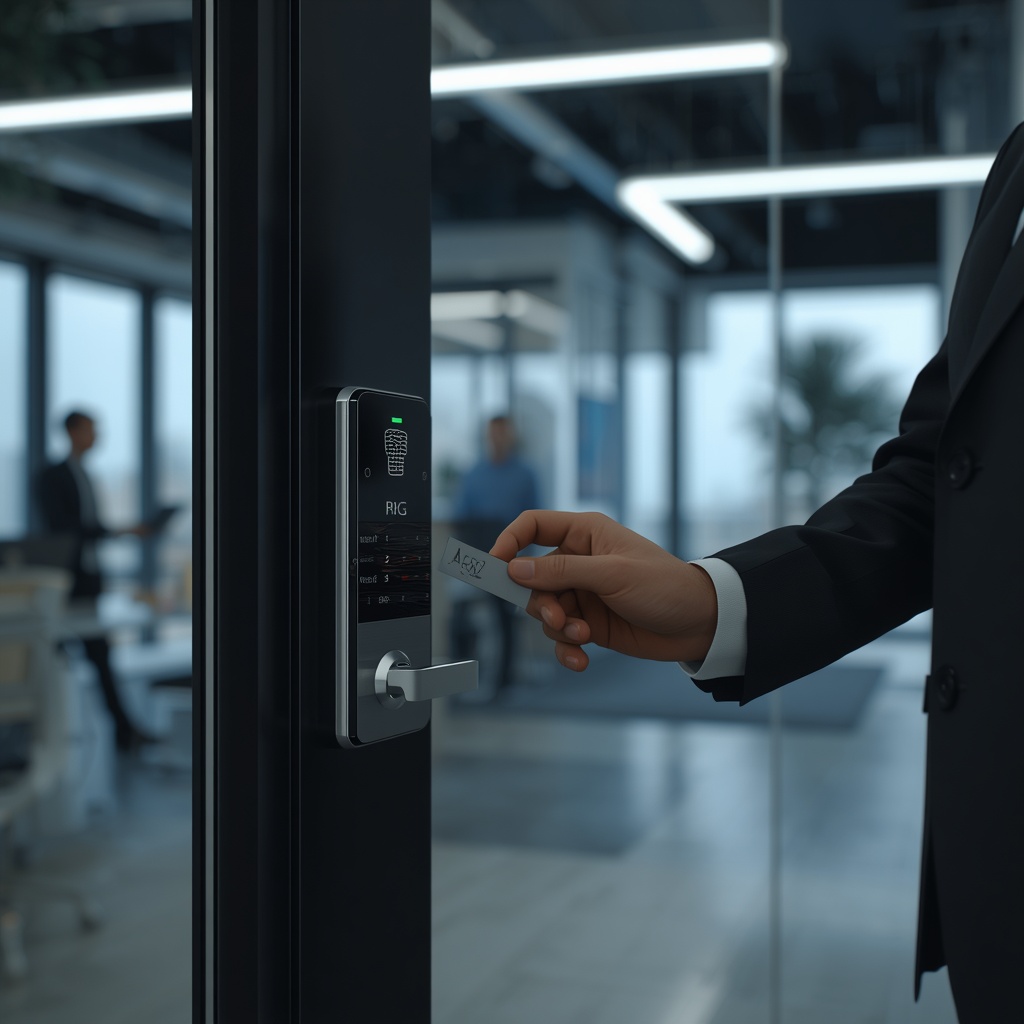
An access control system is a combination of hardware and software that manages entry to a building, room, or restricted area. Instead of a physical key, employees use a credential, such as a key card, fob, mobile app, or biometric scan, to gain access.
Core components typically include:
- Credentials: The card, fob, code, or biometric marker assigned to each user
- Readers: Devices installed at entry points that scan credentials
- Controllers: Hardware that processes reader input and determines whether to grant access
- Software: The platform administrators use to assign permissions, monitor activity, and generate reports
Unlike traditional locks and keys, a building access management system lets you control exactly who can enter specific areas and when. If an employee leaves the company, you can revoke their access instantly rather than rekeying the entire building. If someone attempts unauthorized entry, the system logs the event and can trigger a real-time alert.
The benefits go beyond convenience. Businesses gain a documented audit trail for compliance purposes, the flexibility to adjust permissions as roles change, and the ability to manage access remotely from a phone or laptop.
What Features Should SMBs Look for in an Access Control System?
Not every access control system is built with small and medium businesses in mind. Here are the features that matter most.
Cloud-based infrastructure
Cloud-based access control reduces the upfront hardware costs and ongoing maintenance that come with legacy, on-premise systems. Updates happen automatically, and administrators can manage the system from anywhere without needing a dedicated IT team on-site.
Integration with existing business tools
Look for systems that connect with the software your business already uses, including CRM platforms and other business applications. Integrated access control systems reduce administrative overhead and give you a more complete view of your operations from a single dashboard.
Remote monitoring and real-time alerts
Modern platforms notify administrators immediately if someone attempts to access a restricted area without authorization. This immediate visibility allows for a faster response than a system that only logs events after the fact.
Scalability
Your access control system should grow with your business. Whether you’re adding a new office location or increasing headcount, the system should scale without requiring a full infrastructure overhaul.
Mobile access
Keyless business entry systems that use smartphones as credentials are becoming standard. Mobile access lets administrators grant or revoke permissions from anywhere, which is especially useful for businesses managing multiple locations or a hybrid workforce.
What Types of Access Control Systems Are Available?
SMBs have several options depending on their security needs and budget.
- Card-based and keypad systems: A cost-effective entry point for businesses that need basic, reliable access control without a large investment.
- Biometric systems: Fingerprint or facial recognition technology suited to high-security environments where credential sharing is a concern.
- Mobile and cloud-based solutions: Flexible systems that are quick to deploy and easy to manage remotely, ideal for growing businesses.
- Video surveillance integration: Pairing access control with a security camera system for small business operations creates a more complete security picture. Many businesses now combine building entry data with cloud video surveillance solutions to monitor activity in real time and review footage when needed.
Choosing between these options often comes down to how much risk your business is managing and how quickly you plan to grow. A single-location retail store may only need a keypad system, while a company managing several offices across Ontario may benefit from a fully integrated, cloud-based platform.
How Do You Successfully Implement an Access Control System?
A strong system is only as effective as its implementation. Keep these steps in mind:
- Assess your current security needs. Identify vulnerabilities, high-traffic entry points, and any areas that require restricted access.
- Choose an experienced provider. Look for a vendor with a proven track record and strong warranty coverage.
- Plan for professional installation. Proper setup ensures the system performs as intended from day one.
- Train your staff. Employees need to understand how to use new credentials and follow updated entry procedures.
- Establish ongoing monitoring and support. Remote monitoring services help catch issues early and keep the system running smoothly long after installation.
How Do You Choose the Right Access Control Provider?
The provider you choose matters as much as the system itself. When evaluating vendors, consider the following:
- Experience: Look for a provider with 20 or more years in technology and systems integration. Longevity often reflects reliability and industry knowledge.
- Complete service offerings: A strong provider offers more than installation. Maintenance plans, remote monitoring, and sunset solutions for aging systems all matter over the life of your investment.
- Device and software compatibility: Confirm the provider supports multiple device types and integrates with your existing business tools.
- Support quality: Prioritize vendors with responsive help desk support and solid warranty terms, since downtime on a security system is rarely acceptable.
Businesses researching a commercial access control systems Toronto provider, or exploring an access control system London Ontario option, should ask directly about warranty coverage and long-term support before signing a contract. The same diligence applies to corporate security solutions Ontario businesses may be considering as part of a broader security or network cabling services Toronto upgrade.
Building a Safer, Smarter Business
Access control systems have become a practical necessity for SMBs managing growth, compliance, and security all at once. Cloud-based platforms and mobile credentials have made these systems more accessible, offering the flexibility and scalability that older lock-and-key approaches simply can’t match.
The right system starts with understanding your specific needs, followed by choosing a provider who can support you well past the installation date. A partner with deep experience in business security solutions can help you build a system that protects your business today and adapts as it grows.
If you’re ready to explore an access control system built around your business, reach out to a trusted local provider to discuss your options and get a tailored recommendation.